

Climb Mount Kilimanjaro
Ready to climb mount Kilimanjaro? We offer guided treks for beginners and seasoned hikers. Safe routes, great prices, and memories that last a lifetime.
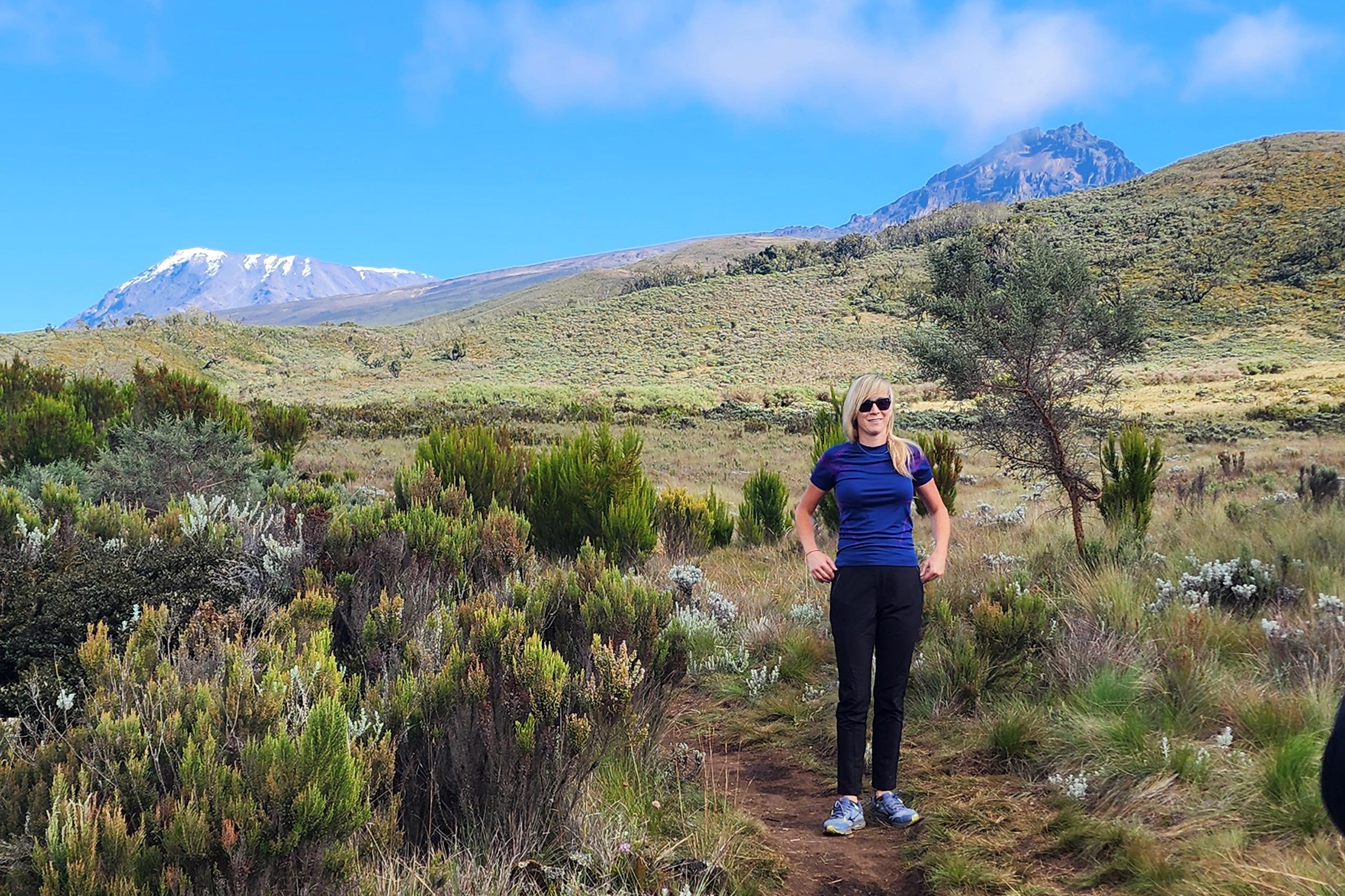
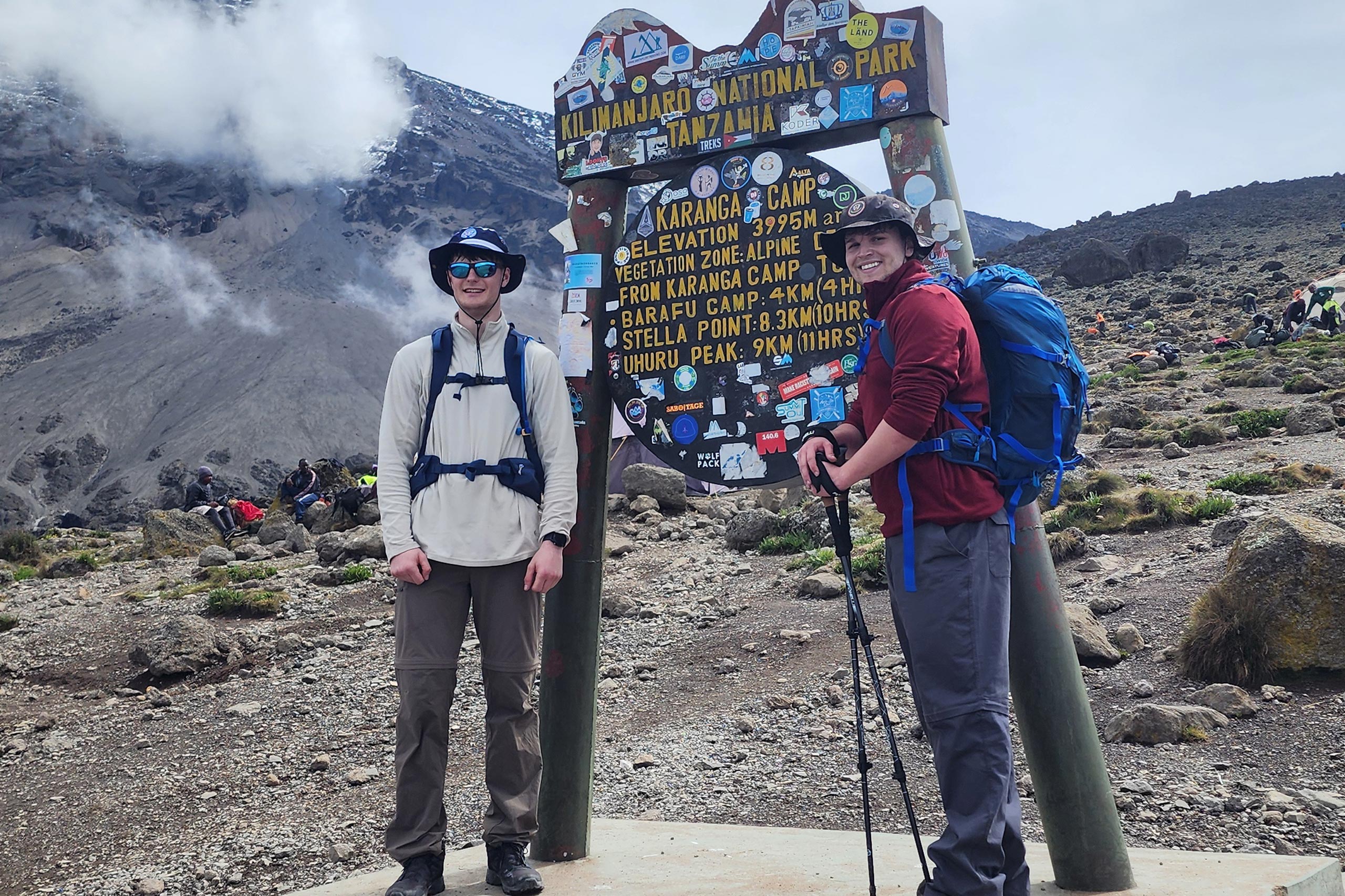
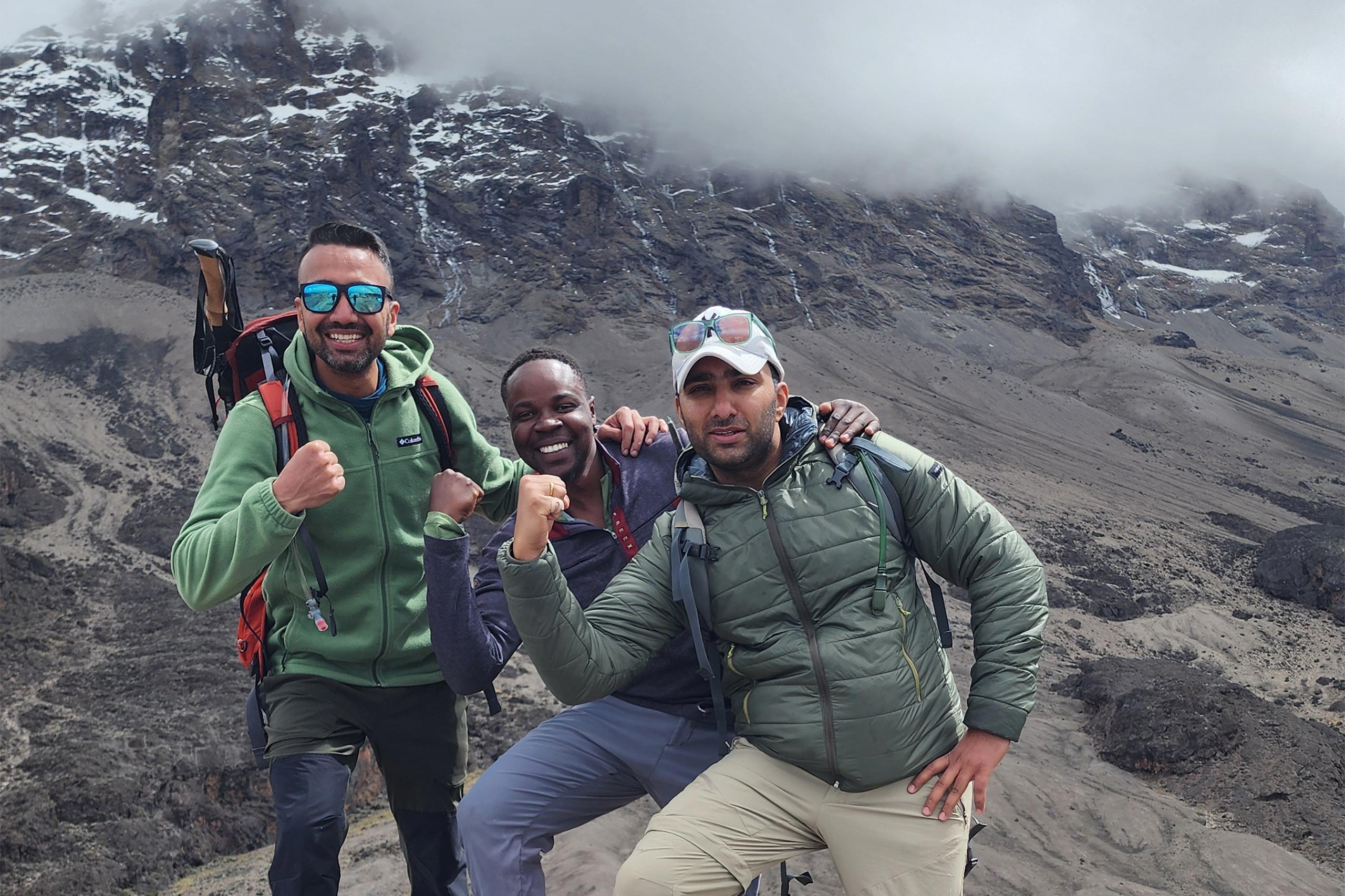
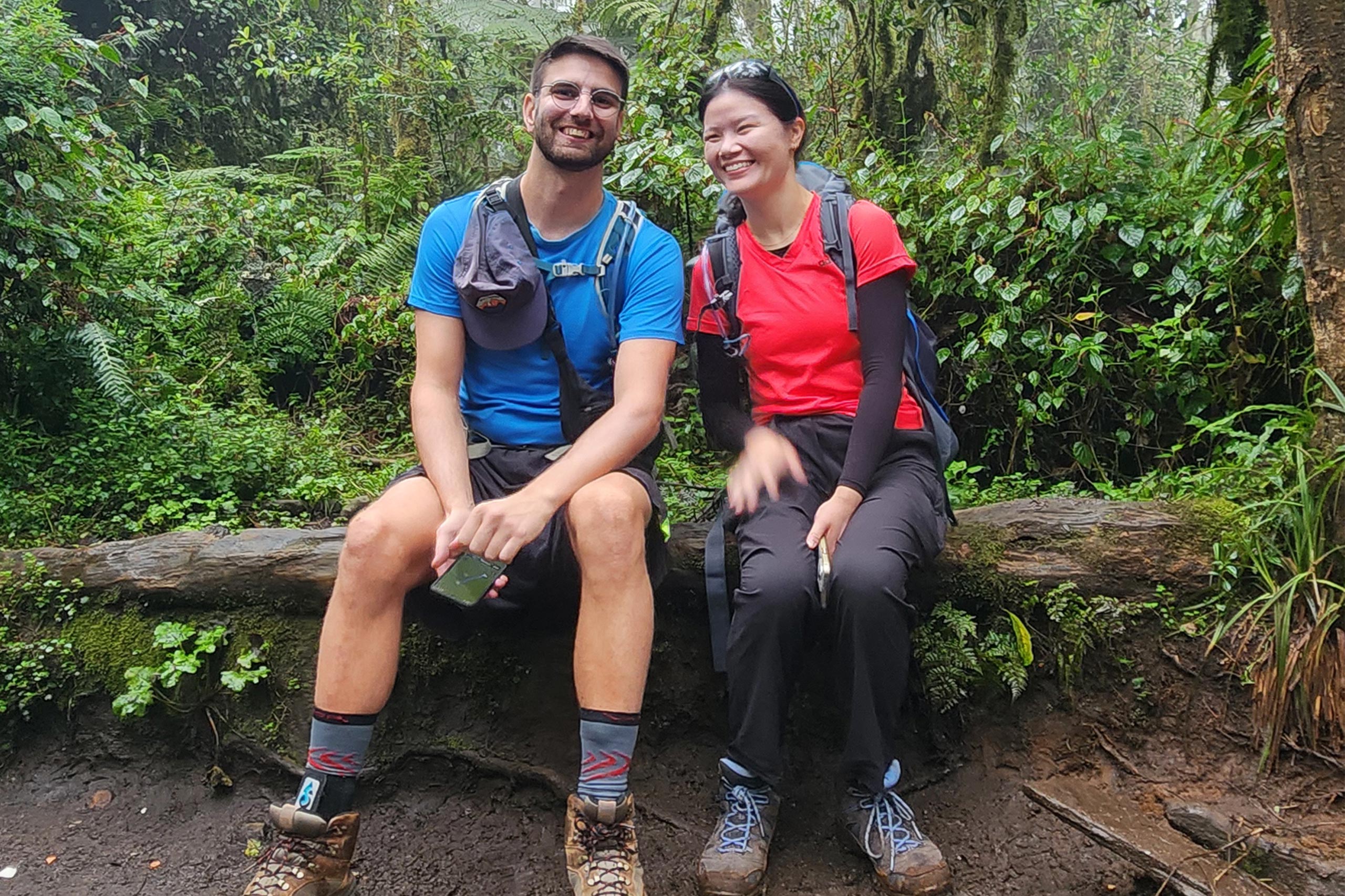
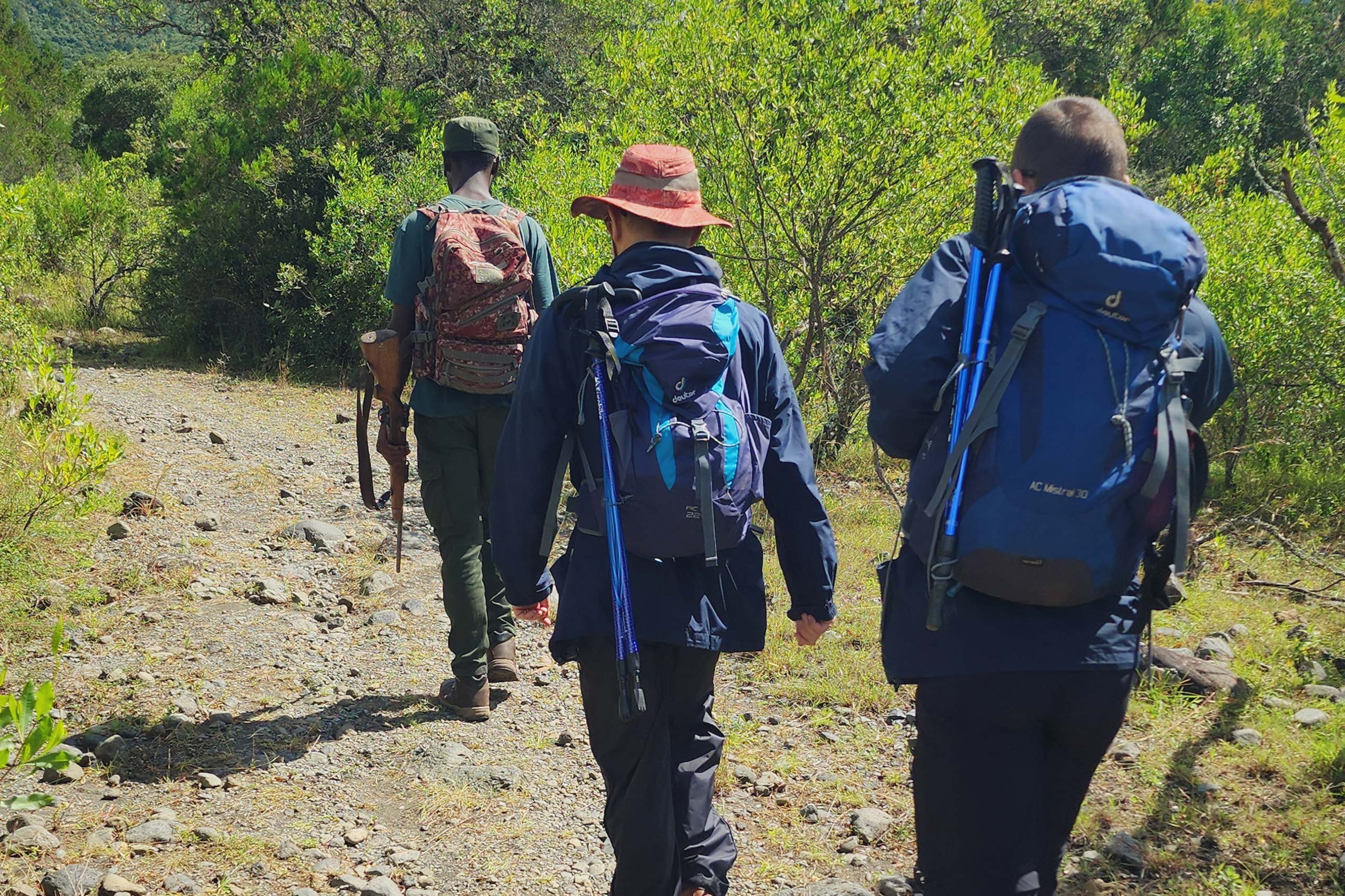
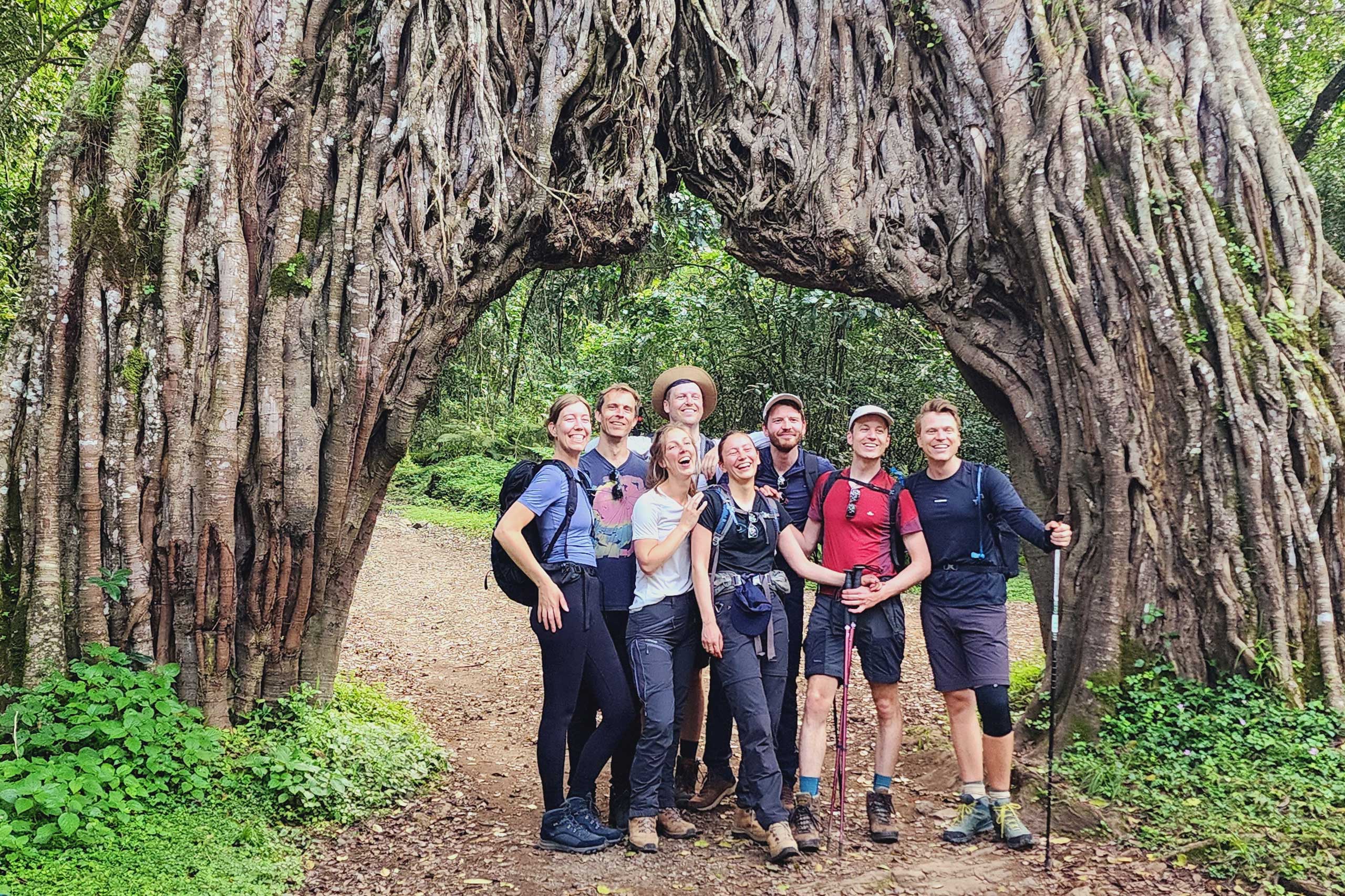
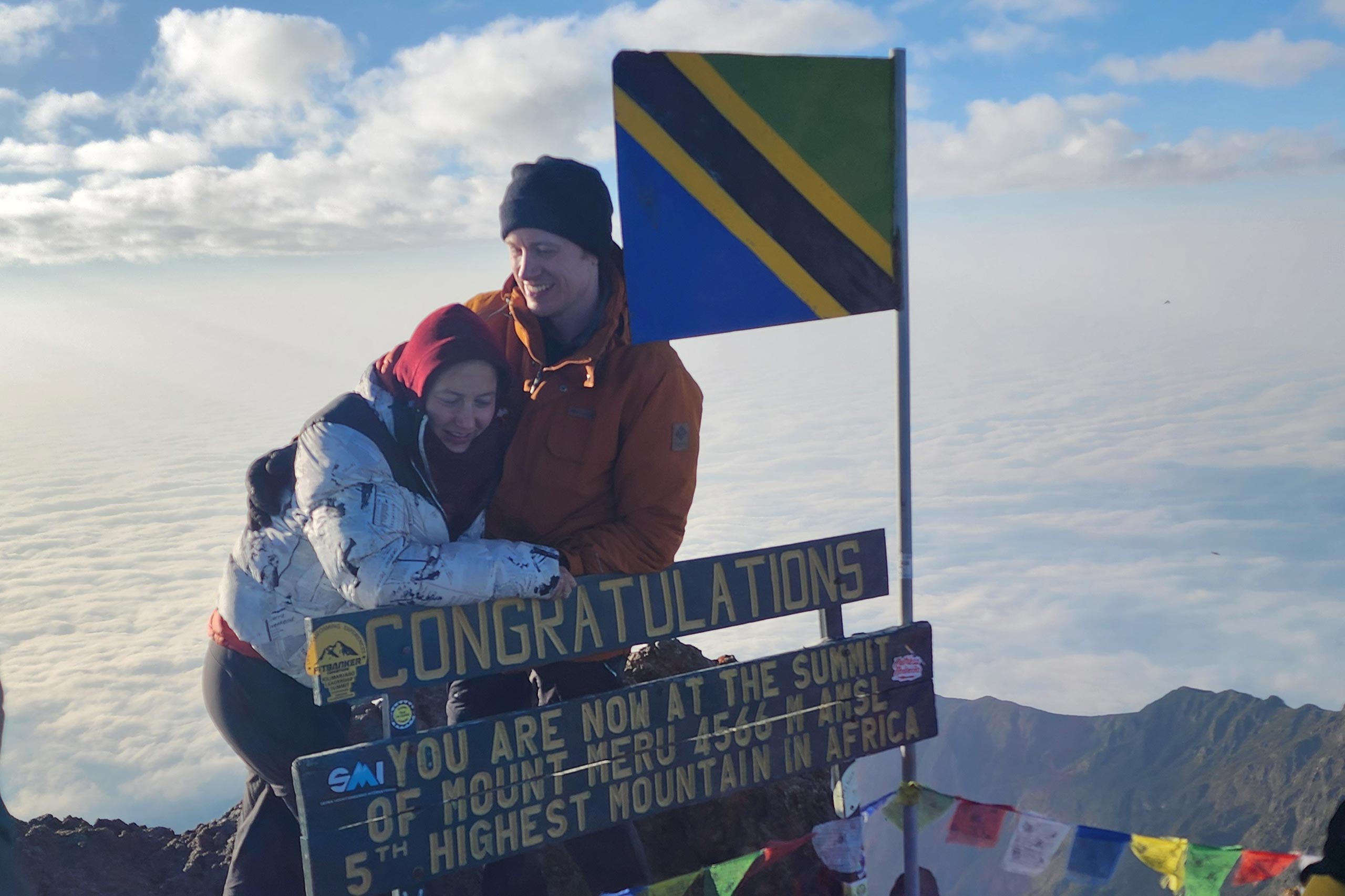
Ready for Climbing Mount Kilimanjaro?
Join thousands of successful climbers who trusted us with their dream trip
Get Free Quote
Frequently Ask Questions (FAQ's)
When is the best time to climb Mount Kilimanjaro?
The best time to climb Mount Kilimanjaro is during the dry seasons, when the weather is more stable, the trails are less muddy, and visibility is at its best. These periods offer the highest summit success rates and the most enjoyable trekking conditions. Best Climbing Seasons June to October: Cool, dry, and clear. This is the most popular season with excellent visibility. December to early March: Warmer conditions with mostly dry weather. A great alternative to the mid-year season. Rainy Seasons (Less Ideal) April to May: Long rainy season—trails can be slippery and visibility poor. Late March and November: Short rains—still climbable but more unpredictable. Overall Recommendation For the most comfortable trek and best chance of reaching Uhuru Peak, choose a climb between June–October or December–early March. However, Kilimanjaro can technically be climbed year-round, depending on your preferences and flexibility.
What should i pack before climb kilimanjaro?
Packing the right gear is essential for a safe and comfortable Kilimanjaro climb. Because you’ll move through multiple climate zones—from rainforest to arctic conditions—layered clothing and quality equipment are key. Here’s what every climber should bring:
Clothing
Base layers (thermal tops and bottoms)
Insulating layers (fleece jacket, down jacket)
Waterproof jacket and trousers
Hiking shirts and trekking pants
Warm hat, sunhat, and neck buff
Gloves (liner + warm outer gloves)
Comfortable socks (wool recommended)
Footwear
Broken-in hiking boots (waterproof)
Camp shoes (sneakers or sandals)
Sleeping & Bags
Warm sleeping bag rated for -10°C to -20°C
Sleeping pad (provided on many tours, but check with your operator)
Duffel bag (for porters to carry)
Daypack (20–30L for your personal items)
Accessories
Headlamp + extra batteries
Sunglasses (UV protection)
Trekking poles
Reusable water bottles or hydration pack (2–3 liters capacity)
Quick-dry towel
Gaiters (optional but helpful)
Personal Items
Personal medication & first-aid basics
Sunscreen & lip balm (high SPF)
Wet wipes & personal hygiene items
Snacks or energy bars
Power bank for charging devices
Documents
Passport Travel insurance Vaccination card (if required) Your tour operator will usually provide tents, meals, water, and guides. Packing correctly helps you stay warm, comfortable, and fully prepared for the challenges of the mountain.
How is the weather on mount kilimanjaro?
Mount Kilimanjaro has five ecological zones, and the weather changes dramatically as you climb higher. At the base, temperatures are warm and humid, while the summit is extremely cold. Here’s what to expect: Rainforest Zone (800–3,000m): Warm and humid with occasional rain showers. Daytime temperatures range from 15°C to 25°C. Moorland & Alpine Zone (3,000–4,000m): Cooler and drier. Temperatures drop to 5°C–15°C during the day and can fall below freezing at night. High Alpine Desert (4,000–5,000m): Very dry with strong sun during the day and icy cold nights. Temperatures vary from -5°C to 10°C. Arctic Summit Zone (5,000–5,895m): Harsh, windy, and extremely cold. Temperatures can drop to -10°C to -20°C, especially at night and during summit attempts. Although Kilimanjaro is near the equator, weather can be unpredictable, with sudden changes in clouds, wind, and temperature. The best climbing conditions are during the dry seasons: June to October December to early March Proper layered clothing is essential for comfort and safety as you experience everything from tropical heat to freezing alpine conditions in one trip.
Do I need any climbing experience to summit Kilimanjaro?
No technical climbing experience is required to attempt Kilimanjaro. The mountain is a non-technical trek, meaning you walk rather than climb with ropes or harnesses. What matters most is a reasonable level of physical fitness, mental determination, and the ability to handle high altitude. Most people who successfully summit Kilimanjaro are not professional mountaineers — they are everyday hikers, first-time trekkers, and adventure travelers who prepared well and chose the right route. A good fitness base built over several months before your climb will significantly improve your chances of reaching the top.
How long does it take to climb Kilimanjaro?
The duration depends on the route you choose. Most climbs range from five to nine days on the mountain, with longer routes offering better acclimatization and higher summit success rates. The Marangu Route can be done in five to six days, while Lemosho typically takes seven to eight days. Adding an extra acclimatization day to any route significantly improves your chances of reaching Uhuru Peak at the summit. Rushing the climb is the single biggest reason people turn back before the top — the mountain rewards patience and a slow, steady pace above all else.