

Best Tanzania Safari
Discover the best Tanzania safari with our expert local guides. See the Big Five, witness the Great Migration, and explore the Serengeti. Book now!
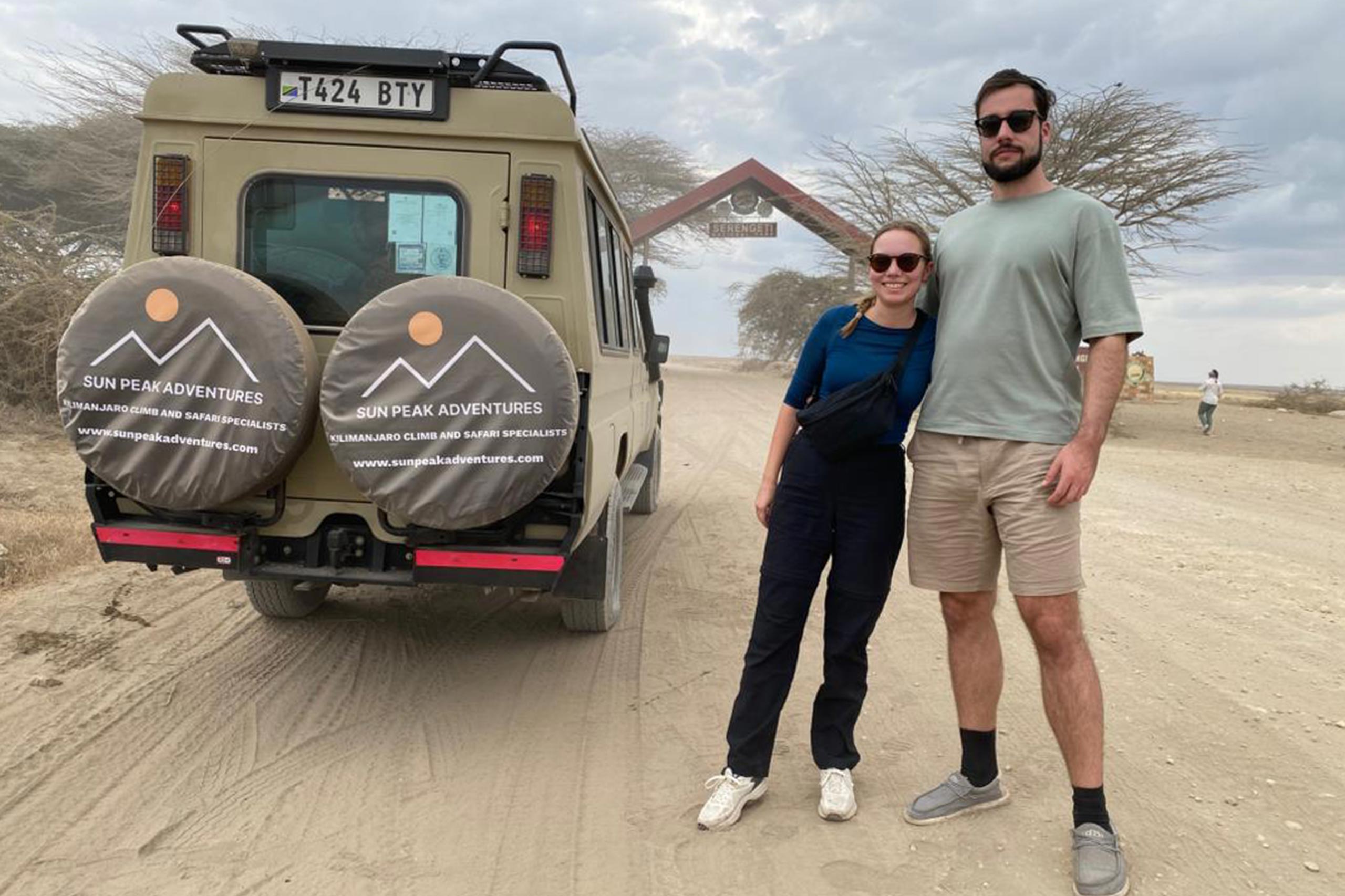
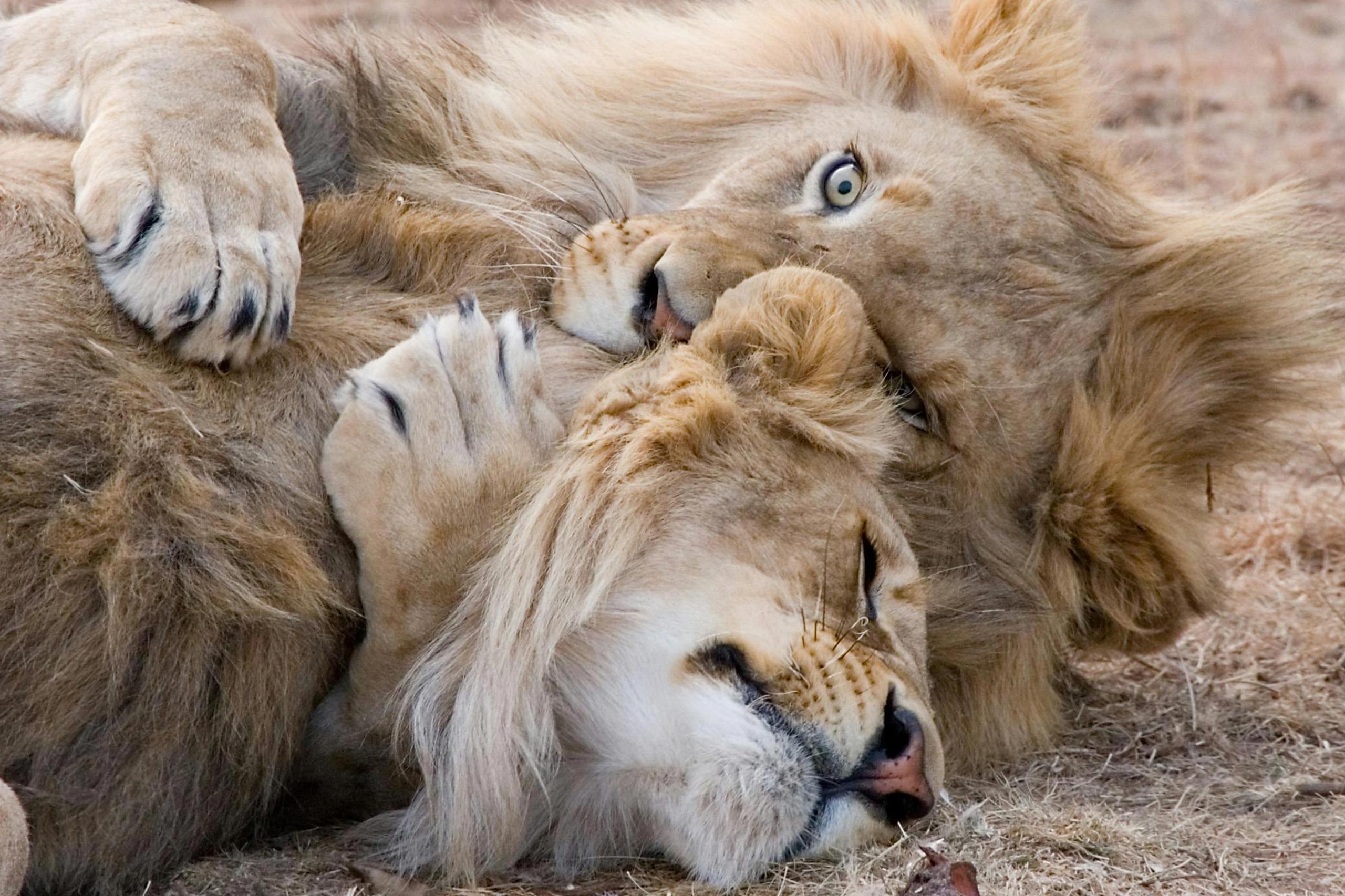
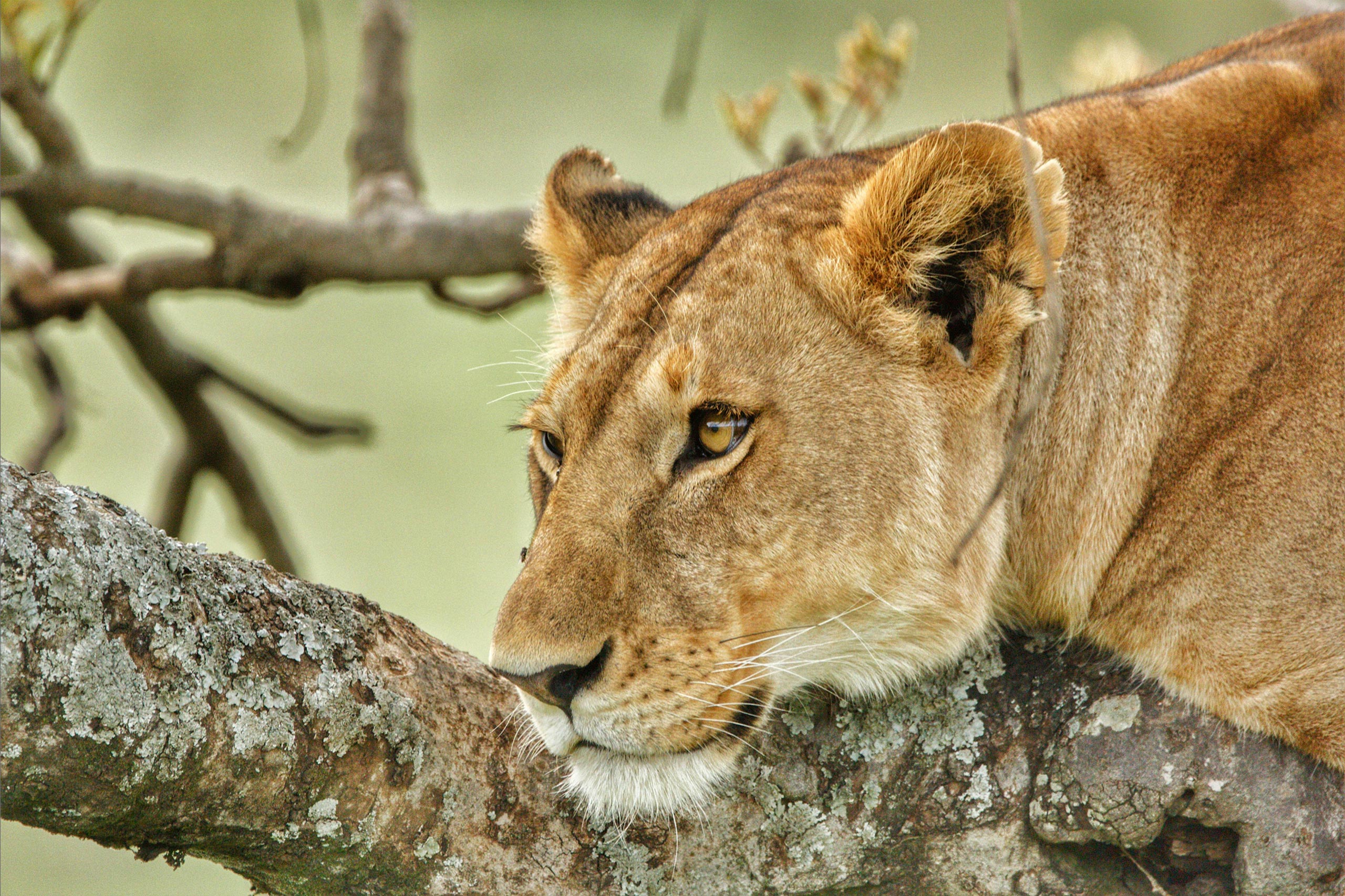
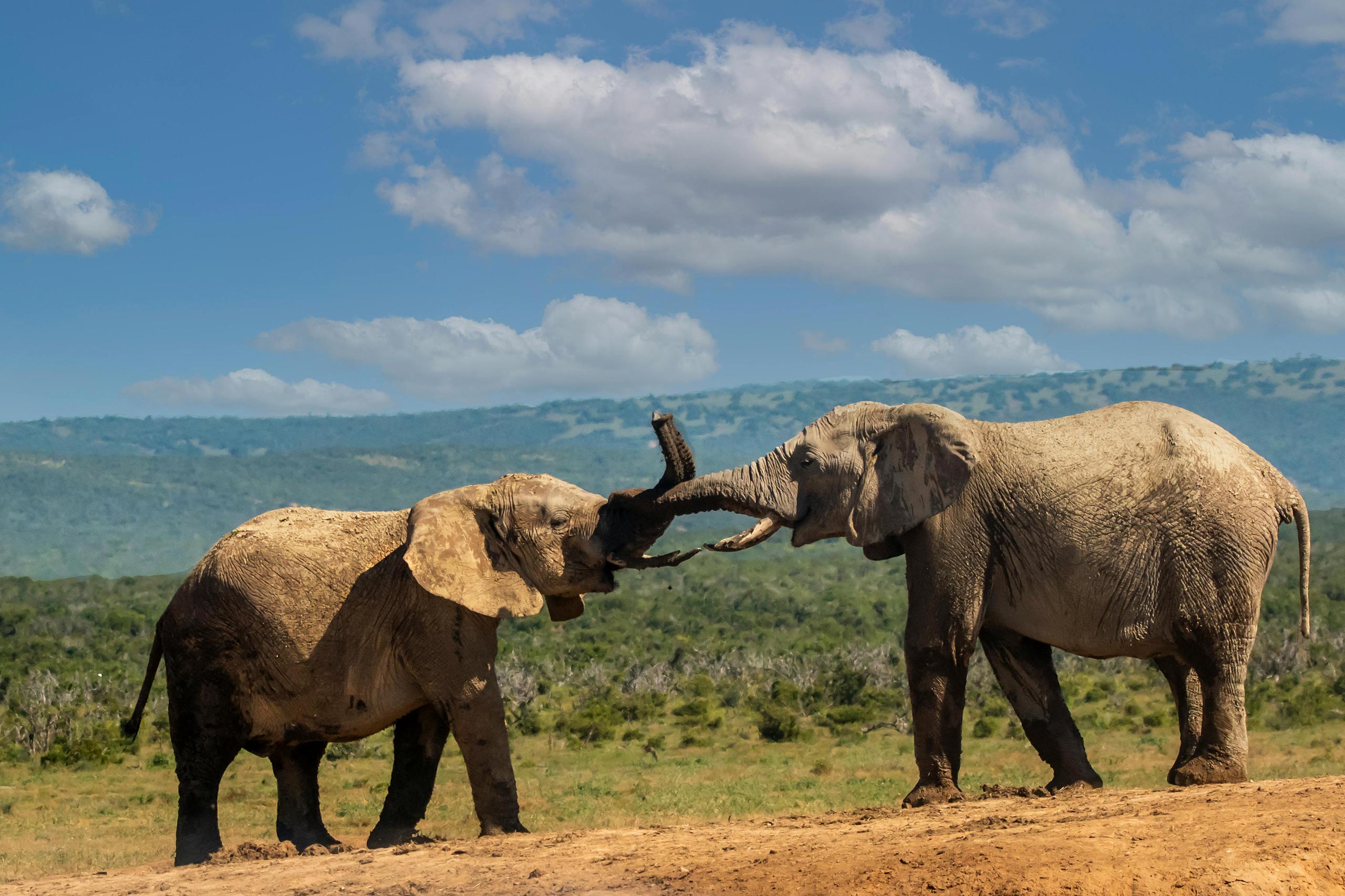
Ready for Tanzania safari?
Join thousands of travelers who trusted us with their dream trip
Get Free Quote
Frequently Ask Questions (FAQ's)
When is the best time to go for a safari in Tanzania?
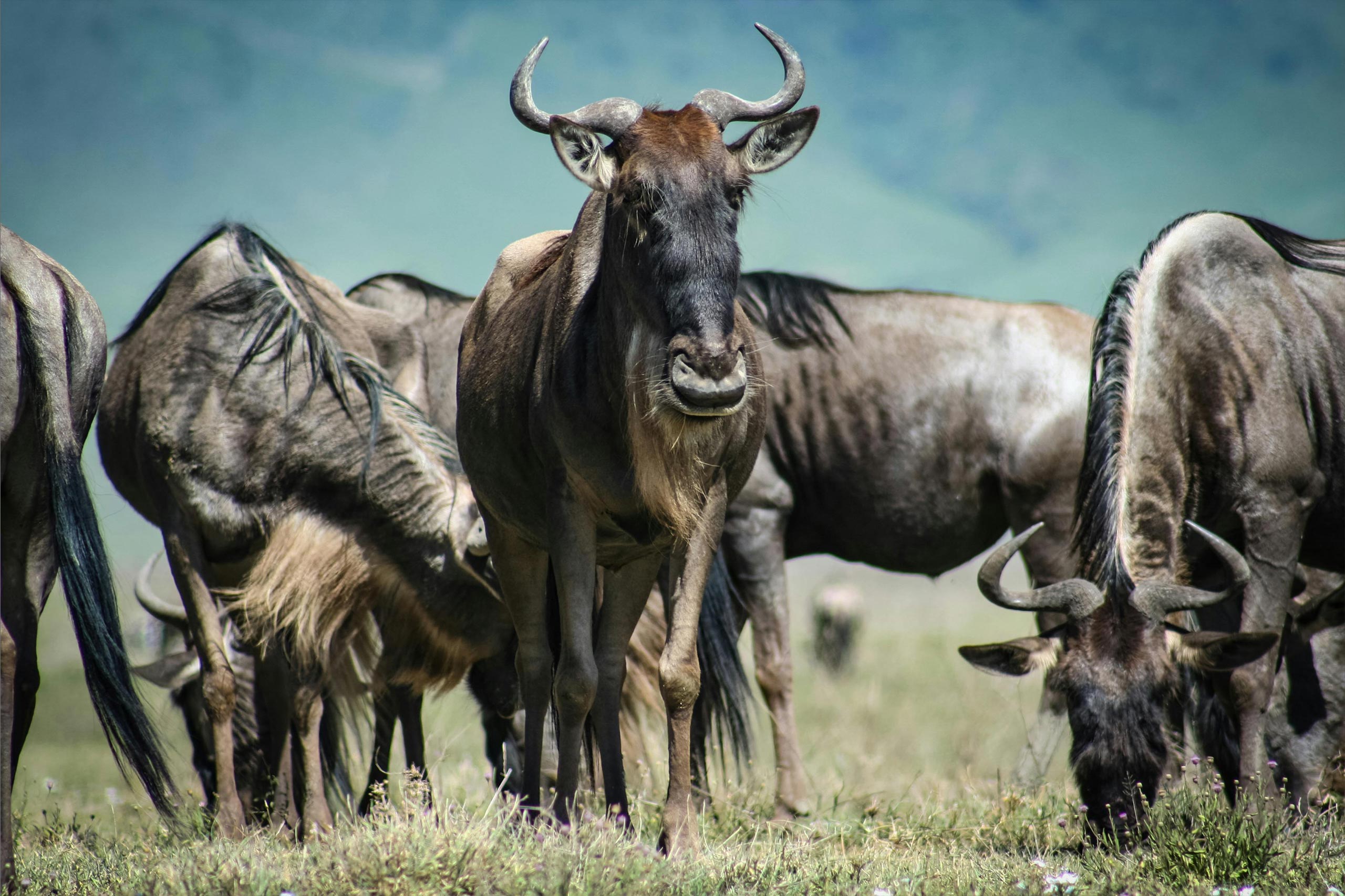
The best time for a safari in Tanzania is during the dry season, when wildlife viewing is at its peak and animals gather around water sources, making them easier to spot. Best Safari Seasons June to October (Dry Season): This is the prime safari period. The weather is clear, vegetation is thinner, and animals are highly concentrated around rivers and waterholes. Perfect for Serengeti, Ngorongoro, Tarangire, and Manyara. Great Migration Highlights June to July: Best time to witness the Grumeti River crossings in Western Serengeti. July to October: Peak season for the Mara River crossings in Northern Serengeti. Green Season (Good Alternative) November to March: Short rains create lush landscapes and fewer crowds. Excellent for photography and birdwatching. January–March is also the calving season in Southern Serengeti, where thousands of wildebeest give birth. Least Ideal Time April to May: Long rains—some camps close and roads may become muddy. However, prices are lower and parks are very quiet.
Is a Tanzania Safari suitable for first-time safari travelers?
Absolutely. Tanzania is actually one of the best safari destinations for first-timers precisely because it is well-developed, logistically smooth, and wildlife-rich. Accommodation options range from comfortable lodges to luxury tented camps, and the sheer concentration of animals means even first-time visitors leave with extraordinary sightings. Having an experienced guide makes all the difference — they read the landscape, track animal behavior, and turn every drive into a genuine learning experience rather than just a game of spotting.
What should I pack for a Tanzania safari?
Neutral-toned clothing — khaki, olive, beige, and tan — works best as it blends into the environment and doesn't disturb wildlife. Mornings and evenings can be surprisingly cold, especially in the crater highlands, so layers are essential even during warmer months. A good pair of binoculars dramatically improves your experience, as does a camera with a zoom lens. Sunscreen, a wide-brimmed hat, and insect repellent are everyday necessities. Most importantly, pack patience — the bush rewards those who slow down and pay close attention.
How much does a Tanzania safari typically cost?
Costs vary depending on the type of accommodation, the length of your trip, and whether you travel in peak or low season. Budget camping safaris can start from around $150 to $250 per person per day, while mid-range lodge safaris typically run $350 to $600 per person per day. Luxury tented camps and private concessions range from $700 to over $1,500 per person per day. These prices generally include park fees, game drives, accommodation, and meals. Tanzania's national park fees are among the highest in Africa, which is reflected in the overall cost — but the quality of wildlife makes it worth every dollar.
Do I need a visa to visit Tanzania?
Most nationalities require a visa to enter Tanzania, which can be obtained online in advance through the Tanzania Immigration portal or on arrival at Kilimanjaro International Airport. The standard tourist visa costs $50 USD for most passport holders. It is always best to apply online before travel to avoid queues on arrival. Your safari operator will typically walk you through the entry requirements specific to your nationality well ahead of your departure date.