When is the best time to climb Mount Kilimanjaro?
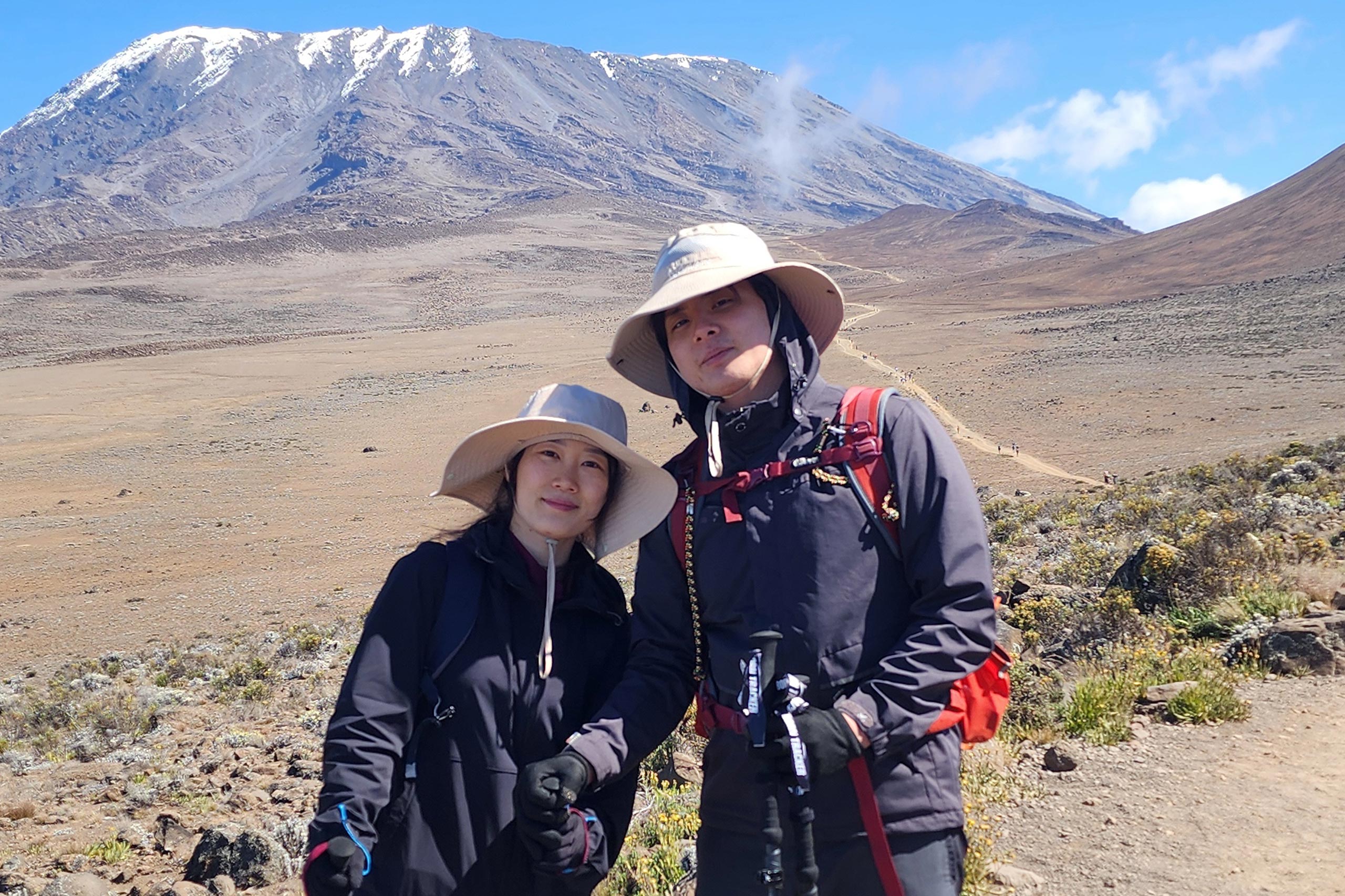
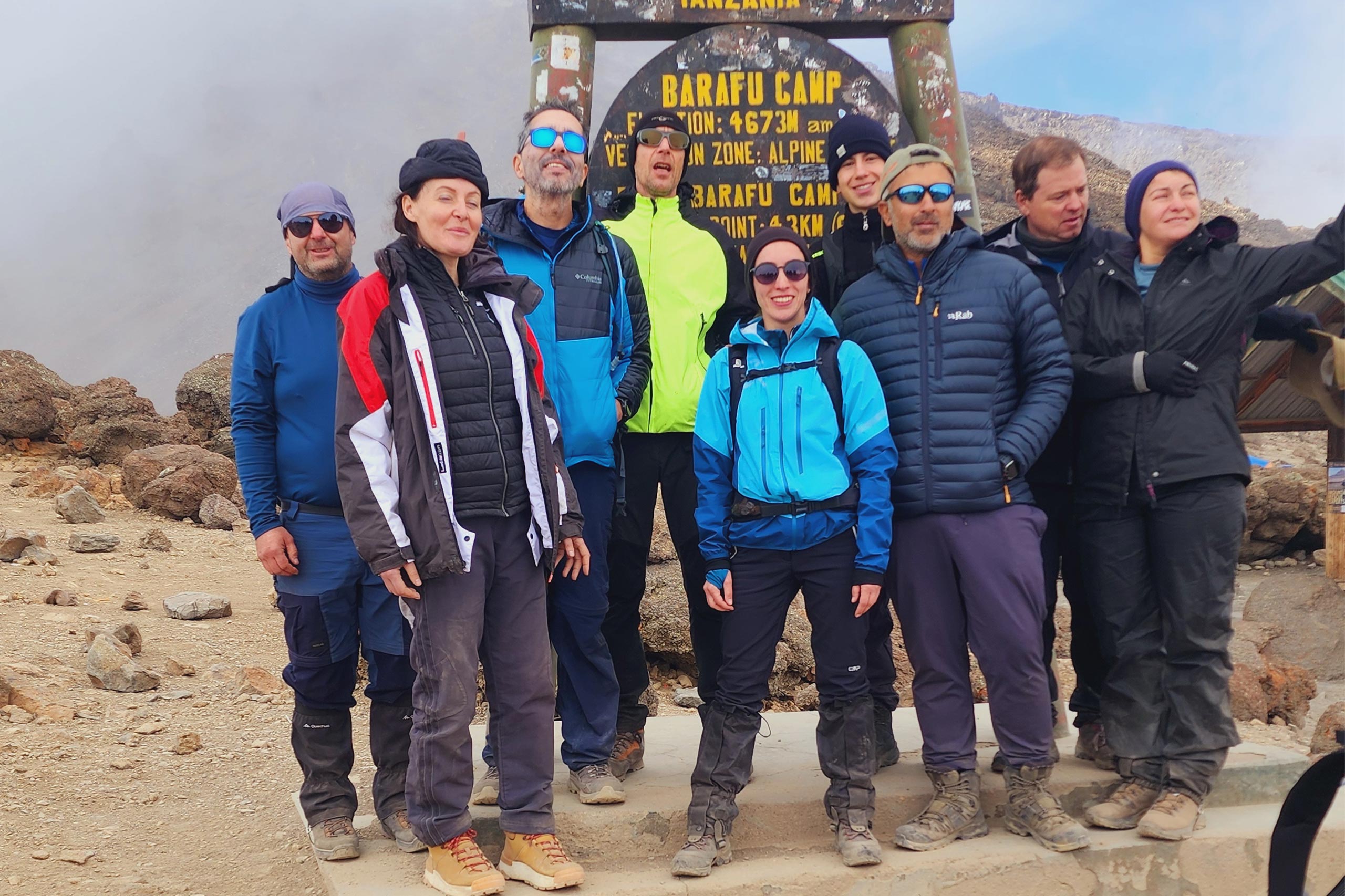
The best time to climb Mount Kilimanjaro is during the dry seasons, when the weather is more stable, the trails are less muddy, and visibility is at its best. These periods offer the highest summit success rates and the most enjoyable trekking conditions. Best Climbing Seasons June to October: Cool, dry, and clear. This is the most popular season with excellent visibility. December to early March: Warmer conditions with mostly dry weather. A great alternative to the mid-year season. Rainy Seasons (Less Ideal) April to May: Long rainy season—trails can be slippery and visibility poor. Late March and November: Short rains—still climbable but more unpredictable. Overall Recommendation For the most comfortable trek and best chance of reaching Uhuru Peak, choose a climb between June–October or December–early March. However, Kilimanjaro can technically be climbed year-round, depending on your preferences and flexibility.
What should i pack before climb kilimanjaro?
Packing the right gear is essential for a safe and comfortable Kilimanjaro climb. Because you’ll move through multiple climate zones—from rainforest to arctic conditions—layered clothing and quality equipment are key. Here’s what every climber should bring:
Clothing
Base layers (thermal tops and bottoms)
Insulating layers (fleece jacket, down jacket)
Waterproof jacket and trousers
Hiking shirts and trekking pants
Warm hat, sunhat, and neck buff
Gloves (liner + warm outer gloves)
Comfortable socks (wool recommended)
Footwear
Broken-in hiking boots (waterproof)
Camp shoes (sneakers or sandals)
Sleeping & Bags
Warm sleeping bag rated for -10°C to -20°C
Sleeping pad (provided on many tours, but check with your operator)
Duffel bag (for porters to carry)
Daypack (20–30L for your personal items)
Accessories
Headlamp + extra batteries
Sunglasses (UV protection)
Trekking poles
Reusable water bottles or hydration pack (2–3 liters capacity)
Quick-dry towel
Gaiters (optional but helpful)
Personal Items
Personal medication & first-aid basics
Sunscreen & lip balm (high SPF)
Wet wipes & personal hygiene items
Snacks or energy bars
Power bank for charging devices
Documents
Passport Travel insurance Vaccination card (if required) Your tour operator will usually provide tents, meals, water, and guides. Packing correctly helps you stay warm, comfortable, and fully prepared for the challenges of the mountain.
When is the best time to go for a safari in Tanzania?
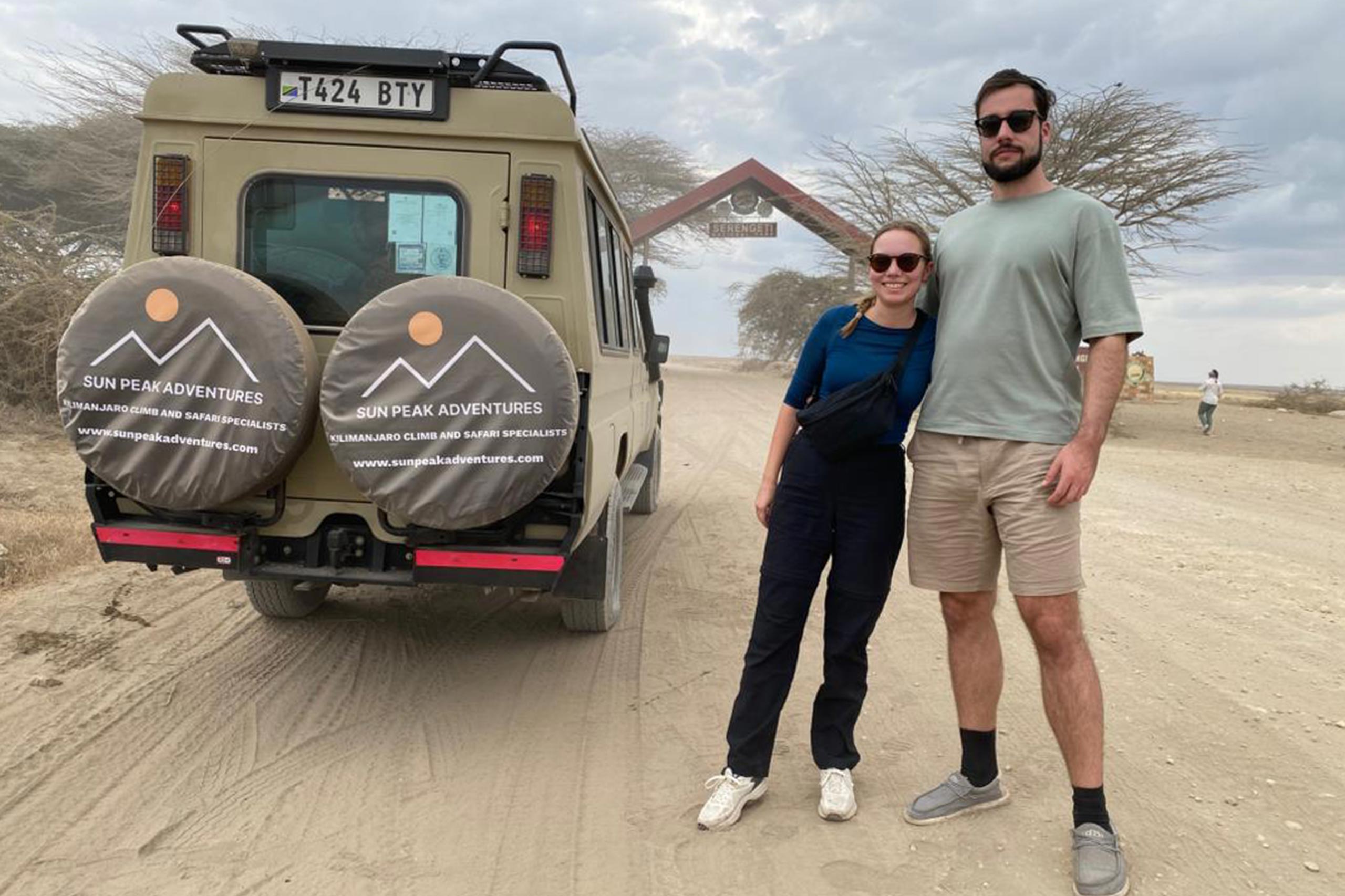
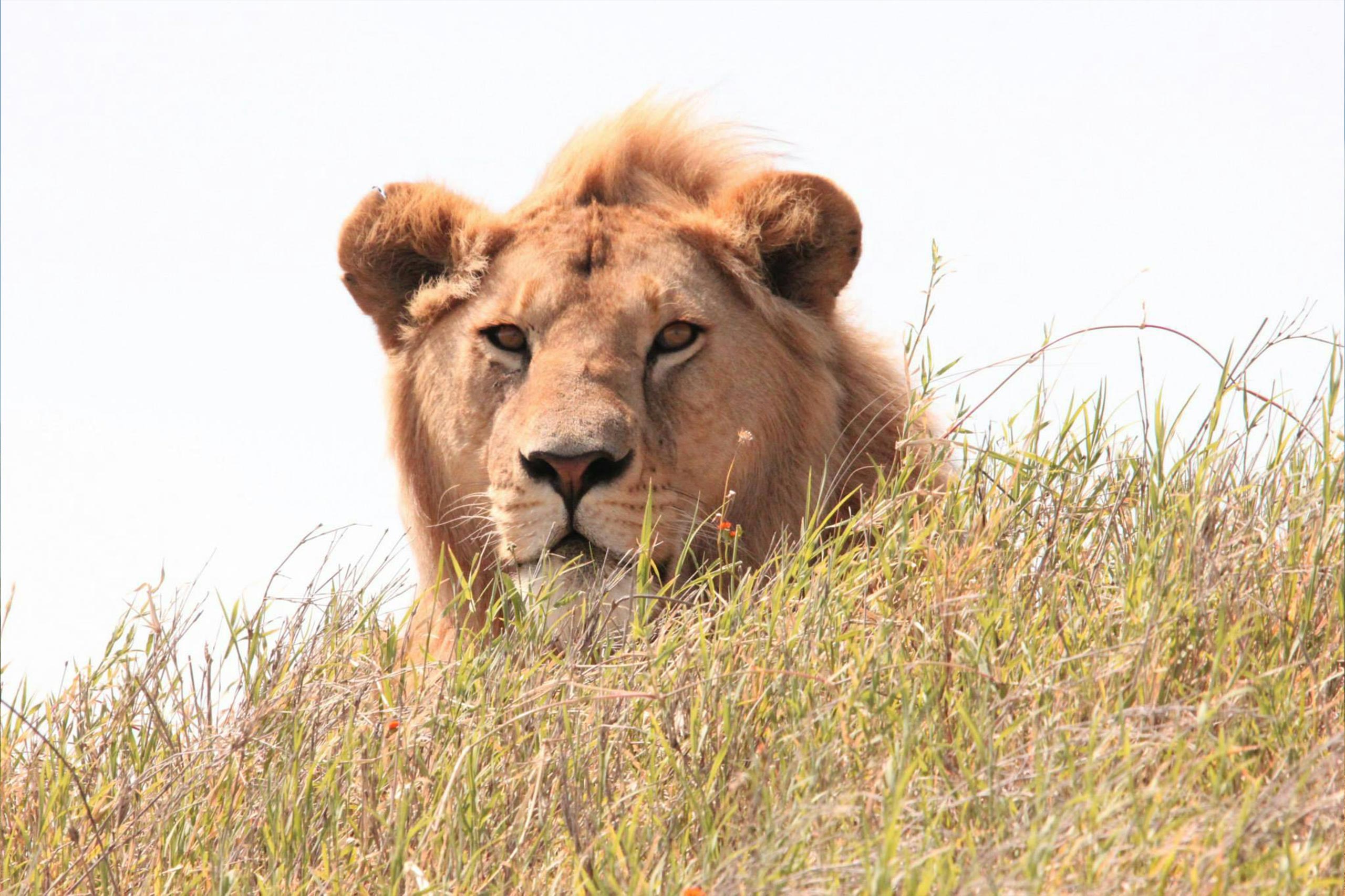
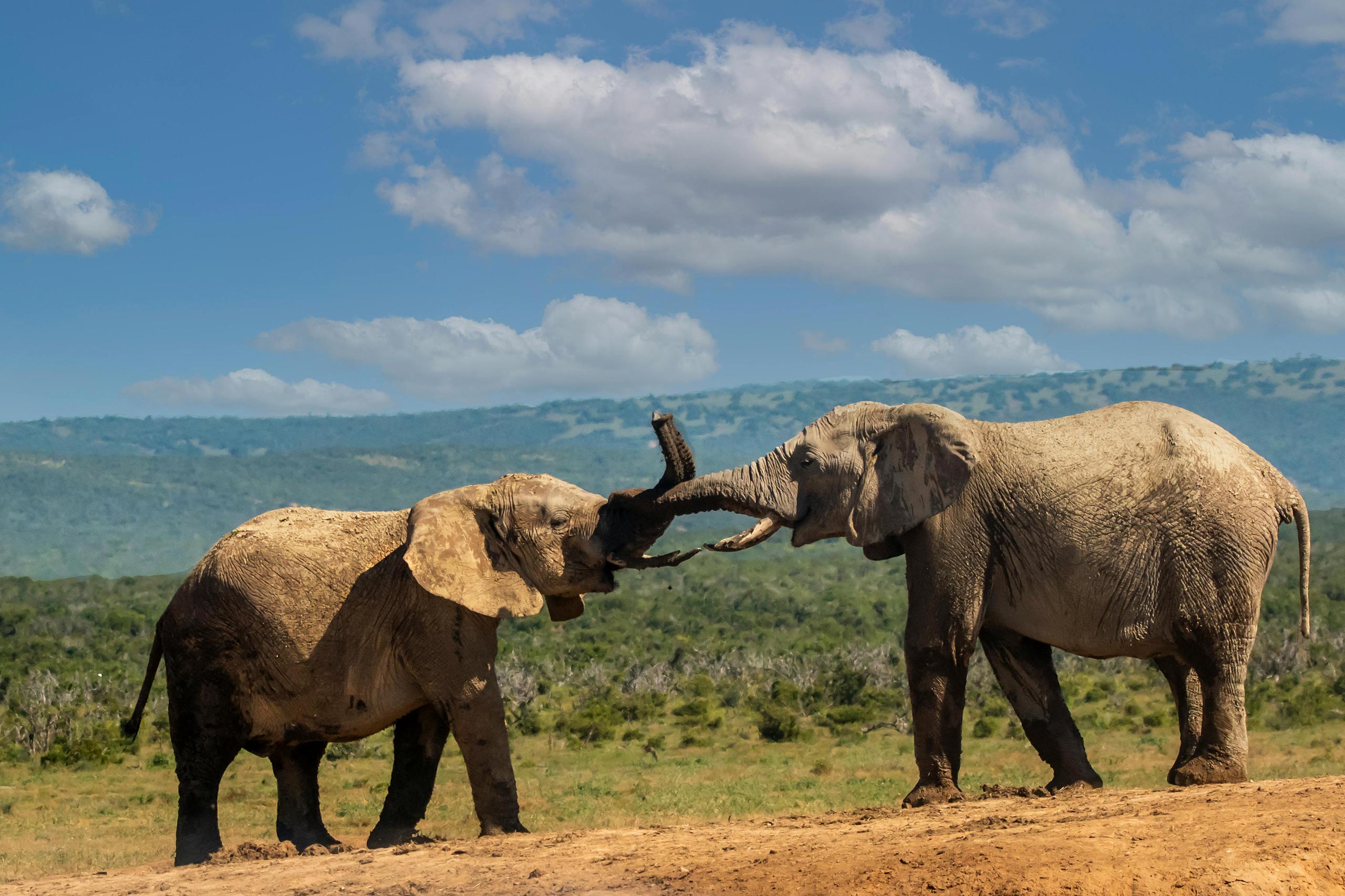
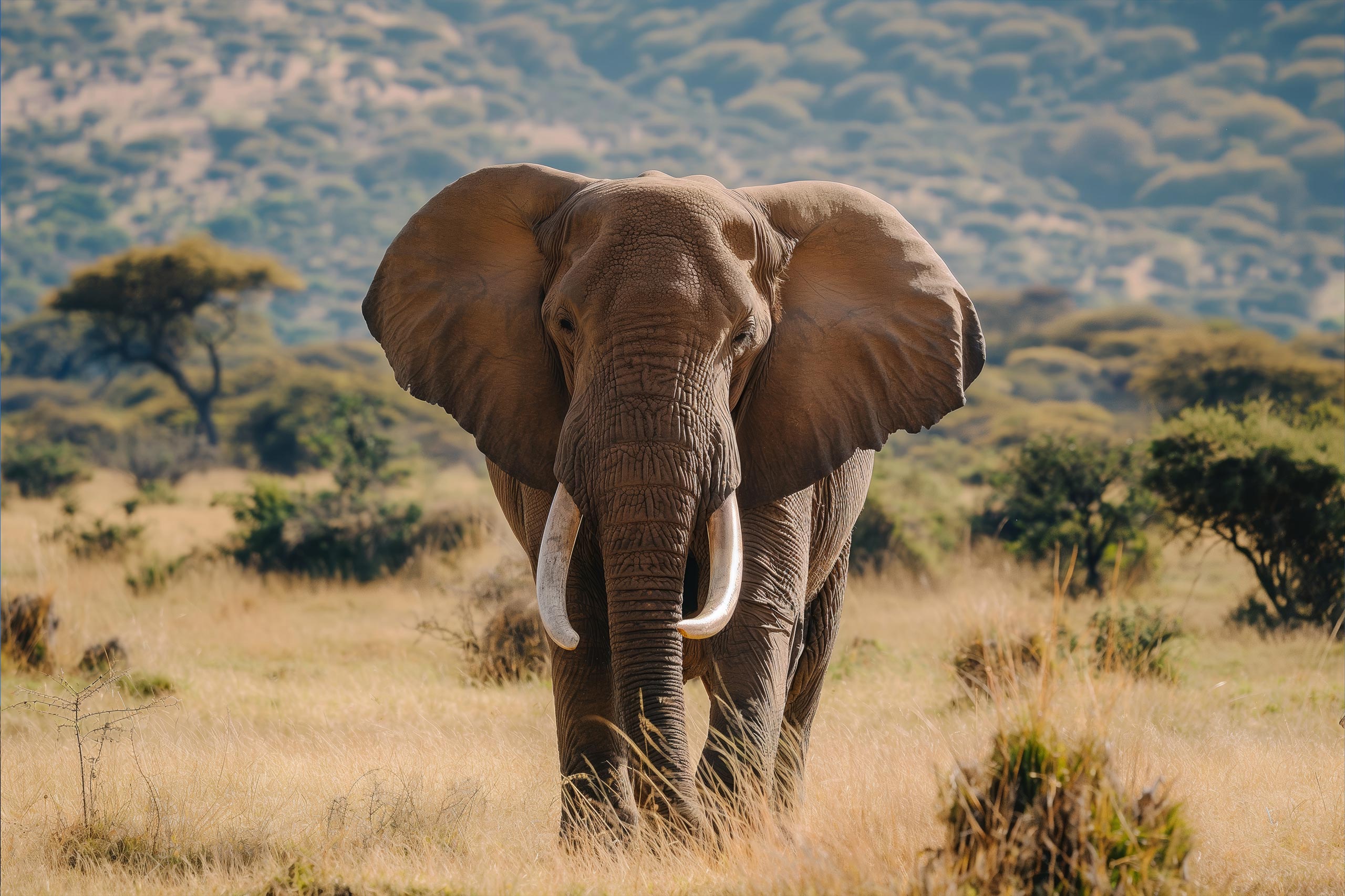
The best time for a safari in Tanzania is during the dry season, when wildlife viewing is at its peak and animals gather around water sources, making them easier to spot. Best Safari Seasons June to October (Dry Season): This is the prime safari period. The weather is clear, vegetation is thinner, and animals are highly concentrated around rivers and waterholes. Perfect for Serengeti, Ngorongoro, Tarangire, and Manyara. Great Migration Highlights June to July: Best time to witness the Grumeti River crossings in Western Serengeti. July to October: Peak season for the Mara River crossings in Northern Serengeti. Green Season (Good Alternative) November to March: Short rains create lush landscapes and fewer crowds. Excellent for photography and birdwatching. January–March is also the calving season in Southern Serengeti, where thousands of wildebeest give birth. Least Ideal Time April to May: Long rains—some camps close and roads may become muddy. However, prices are lower and parks are very quiet.
What should I pack for a Tanzania safari?
Neutral-toned clothing — khaki, olive, beige, and tan — works best as it blends into the environment and doesn't disturb wildlife. Mornings and evenings can be surprisingly cold, especially in the crater highlands, so layers are essential even during warmer months. A good pair of binoculars dramatically improves your experience, as does a camera with a zoom lens. Sunscreen, a wide-brimmed hat, and insect repellent are everyday necessities. Most importantly, pack patience — the bush rewards those who slow down and pay close attention.
How much does a Tanzania safari typically cost?
Costs vary depending on the type of accommodation, the length of your trip, and whether you travel in peak or low season. Budget camping safaris can start from around $150 to $250 per person per day, while mid-range lodge safaris typically run $350 to $600 per person per day. Luxury tented camps and private concessions range from $700 to over $1,500 per person per day. These prices generally include park fees, game drives, accommodation, and meals. Tanzania's national park fees are among the highest in Africa, which is reflected in the overall cost — but the quality of wildlife makes it worth every dollar.
Do I need a visa to visit Tanzania?
Most nationalities require a visa to enter Tanzania, which can be obtained online in advance through the Tanzania Immigration portal or on arrival at Kilimanjaro International Airport. The standard tourist visa costs $50 USD for most passport holders. It is always best to apply online before travel to avoid queues on arrival. Your safari operator will typically walk you through the entry requirements specific to your nationality well ahead of your departure date.